



Community website by MBC/Ernest Abrams. Call 808-739-9797 for advertising/sponsorship#KaimukiHawaii
High Regard Tree Care Service - Frequently Ask Questions - Coupon Sale Discount
- Tweet Back to the top

 FAQ LEGEND
- Arborist Questions
- Emergency Tree Service Questions
- General Tree Service Questions
- Tree Care Questions
- Tree Maintenance Questions
- Tree Removal Questions
- Tree Stump Questions
- Tree Trimming Questions
Back to the top
Arborist Questions
Absolutely. We encourage open communication and make everyone available to discuss project details, provide updates, and answer any questions throughout the process.
Complex projects are broken down into manageable tasks. By leveraging individual expertise and collaborative planning, we ensure each stage is completed efficiently and successfully.
Each member brings extensive experience in their respective fields, ensuring well-informed decisions, efficient project execution, and reliable outcomes across all types of projects.
Our company blends diverse expertise, collaborative problem-solving, and a client-focused mindset to consistently deliver high-quality results tailored to each project's unique needs.
Our company participates in ongoing professional development, industry workshops, and certifications to stay up-to-date with best practices, emerging technologies, and innovative solutions.
Back to the top
Emergency Tree Service Questions
That depends on the ground conditions and access. We'll assess the situation and let you know the safest and most efficient time to proceed. Soggy ground can limit equipment access and increase the risk of damage to your landscape.
Some cities require permits, especially for large or protected species. We're familiar with the local guidelines and can help you through the process if needed. It's always best to check before starting work to avoid fines or delays.
Yes. Our company is fully insured, and our crew follows strict safety procedures to protect your property during every job. You'll have peace of mind knowing we're covered and experienced in high-risk removals.
Yes. We specialize in technical removals, including tight spaces and trees near structures or utilities. Our team uses careful rigging and dismantling methods for safety. These removals require precision, experience, and specialized equipment.
Most tree removals can be completed in one day, but timing depends on size, location, and access. We'll give you a timeline up front. We work efficiently while keeping safety and property protection a top priority.
Stump grinding is available as an add-on to tree removal. It's a great option if you want a clean finish or plan to replant in the area. Removing the stump also helps prevent pests and regrowth.
We can cut it into manageable pieces, haul it away, or leave it for firewood depending on your preference. We'll go over disposal options with you before we begin. Our team makes sure your property is left tidy, no matter which option you choose.
Yes, a Certified Arborist will evaluate the tree and explain the best course of action based on its condition, location, and safety risks. We'll also check for signs of disease or decay that could affect nearby trees.
Back to the top
General Tree Service Questions
Yes. Any reputable tree care service should be for your safety and protection, and High Regard is no exception.
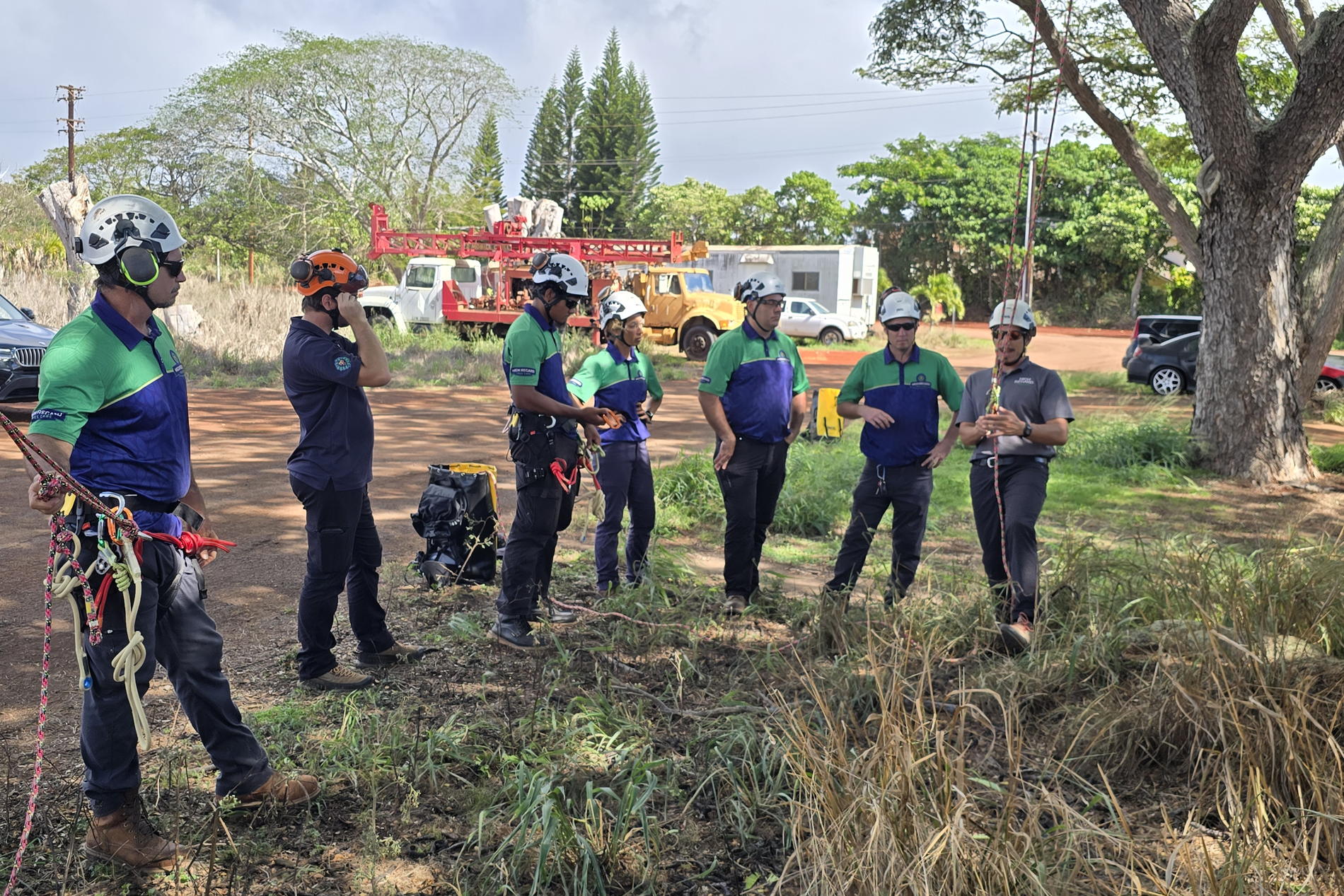
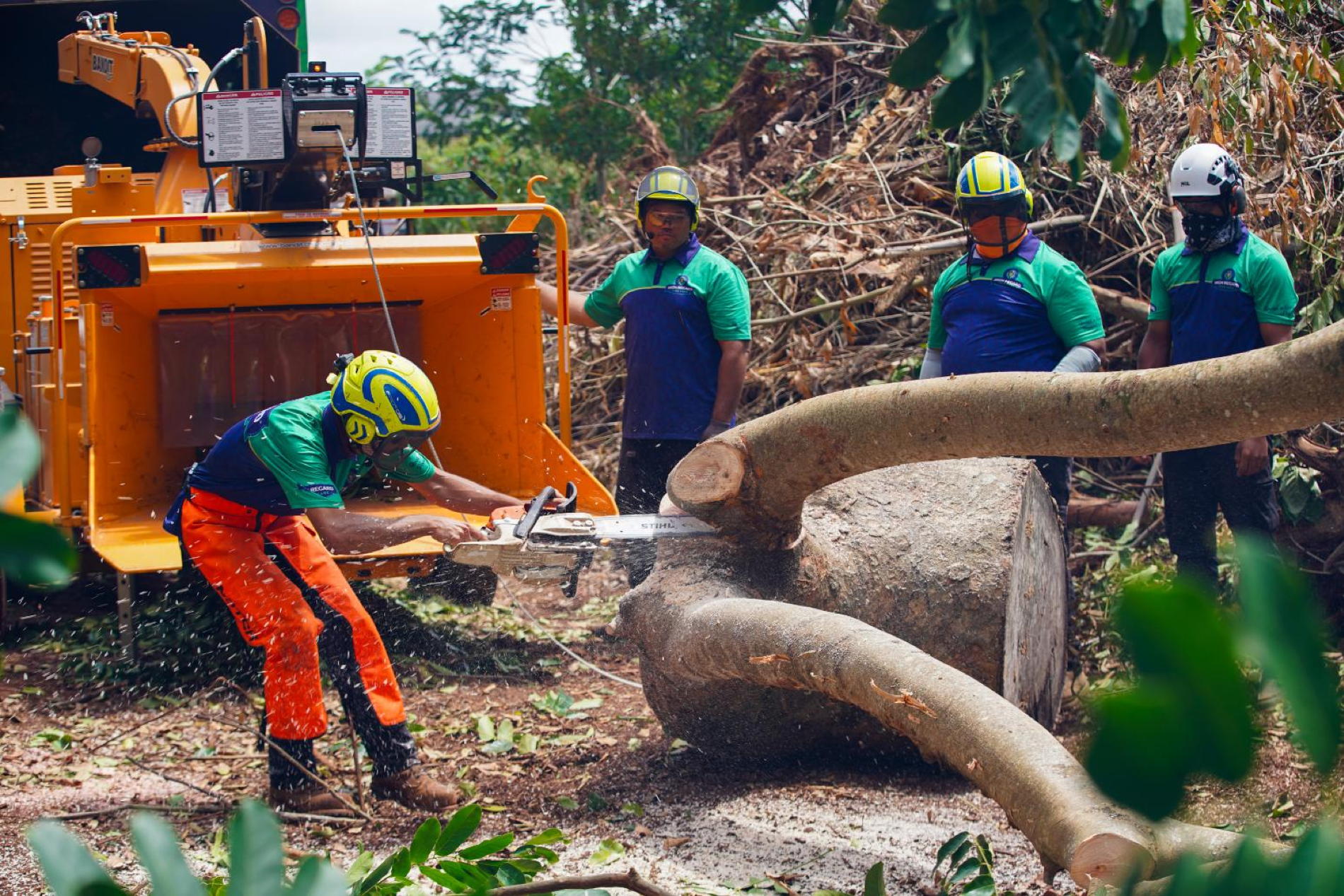
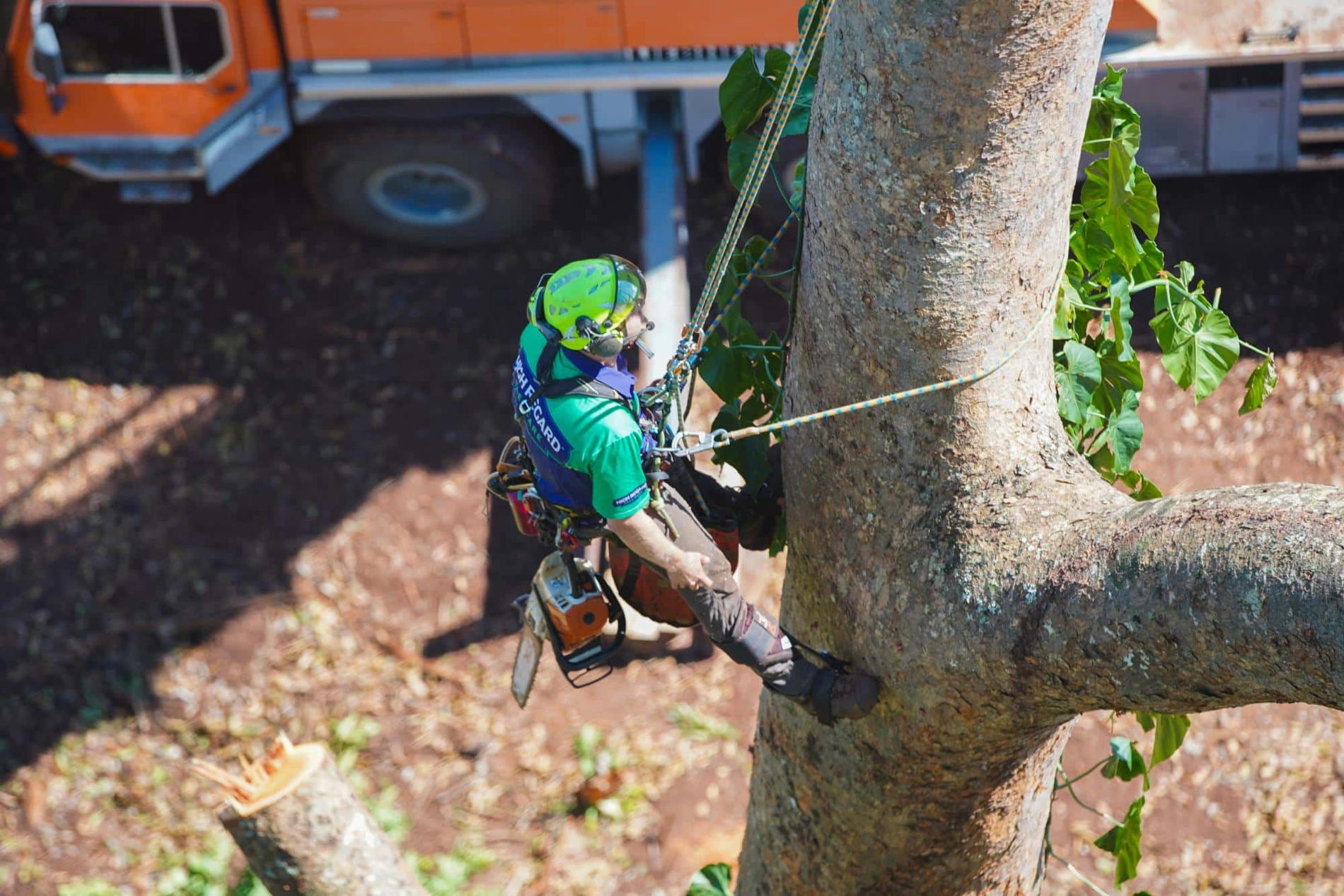
High Regard is proud to offer the first and only Registered Arborist Apprenticeship program in the state of Hawaii. Developed in partnership with the U.S. Department of Labor, this rigorous three-year program includes 6,000 hours of on-the-job training, 440 hours of Related Training Instruction, and over 120 skilled competencies that must be completed throughout the apprenticeship. It's a commitment to education, safety and long-term career growth--and a big part of what sets our crew apart.
Yes--certified arborists are trained to assess, diagnose and care for trees properly. Tree care isn't just about trimming limbs, it's about promoting long-term health and safety.
There are several warning signs--large dead limbs, hollow or decaying trunks, root damage, severe leaning or visible disease. Sometimes the risk is obvious, but other times it takes a trained eye to determine how serious the issue really is. A certified arborist can evaluate the tree's condition, weigh the risks and let you know whether removal is the right call or if there's a safe way to preserve it. The key is catching problems early before they become hazards.
Pruning is essential for health, structure and safety. It removes dead or weak branches, improves air flow, enhances light penetration and helps prevent storm damage. Thoughtful pruning can also guide growth, reduce risk near structures and enhance a tree's long-term stability. While the visual benefits are a bonus, proper pruning is about ensuring the tree's strength and health for years to come--not just its appearance.
Yes--safety is nonnegotiable at High Regard. Our crews are trained in ANSI Z133 safety standards and follow industry best practices on every job. We take a systematic approach to ensure the safety of your property, our team and the surrounding area. This commitment is one of the reasons we're trusted to care for Oahu's most valuable and protected trees.
In Hawaii, exceptional trees are designated by the state as historically, culturally or environmentally significant. They're protected by law, and only experienced professionals--like High Regard--are authorized to care for them.
Back to the top
Tree Care Questions
It depends on the extent of the damage. Some trees can recover with proper care, but serious root loss or trunk damage often leads to slow decline and eventual failure.
Absolutely. We'll provide a care schedule that includes fertilization, monitoring, and pruning to keep your preserved trees healthy and safe for years to come.
Yes. We regularly collaborate with builders, architects, and landscape designers to integrate tree preservation into the project timeline. This keeps everyone on the same page and reduces conflict or delays.
We use a combination of fencing, signage, mulch buffers, and access restrictions to keep equipment and foot traffic away from root zones. We also monitor tree health throughout the process.
It usually leads to higher costs, unexpected tree loss, and longer recovery times for your landscape. Prevention is almost always more affordable and effective than emergency tree work.
Root zone protection involves creating physical barriers or buffer zones around a tree's root system during construction. This prevents soil compaction, root damage, and long-term health decline.
A preservation plan typically includes tree assessments, protective guidelines, recommendations for pruning or treatments, and post-construction care. It may also outline which trees should be removed or monitored.
As early as possible and ideally during the planning or design phase. An arborist can help identify which trees to preserve, plan protective zones, and reduce future risks before site work begins.
In many areas, yes. Local ordinances may require permits or protection plans for certain trees or lot sizes. We're familiar with the rules and can help make sure you're in compliance.
Back to the top
Tree Maintenance Questions
Absolutely. We often remove several stumps in one visit. Let us know what you need, and we'll include everything in your estimate.
We grind the main stump and surface roots, but deep lateral roots usually remain underground. If root removal is necessary for construction, we'll let you know during the estimate.
We handle all the necessary checks before digging or grinding. Safety is a top priority for our team and your property.
We typically grind 6 to 12 inches below ground level. This allows for replanting, reseeding, or covering the area with mulch or sod.
Most jobs take one to two hours, depending on the stump size and number. We'll give you a clear timeline before we start.
Yes. Our equipment is designed to protect your yard, and we take care to avoid damage to nearby grass, structures, or utilities.
We can leave the chips for you to use as mulch or remove them entirely, it's up to you. We'll always clean up the area after the grinding is complete.
Stump grinding removes the stump below the soil surface, leaving the roots to naturally decay. Full removal involves digging out the stump and large roots entirely. Most homeowners choose grinding because it's less disruptive and faster.
Yes, the area can be replanted with grass, shrubs, or even a new tree. We'll advise on how to prepare the ground after removal.
Back to the top
Tree Removal Questions
Yes. Over-pruning or poor technique can weaken a tree, encourage disease, or lead to unbalanced growth. We follow industry best practices to protect the long-term health and stability of your trees.
We assess each site carefully and use proper safety protocols. If a tree is too close to utility lines, we coordinate with local services to manage the risk safely. This type of work is complex and requires specialized equipment and training.
Always. We'll remove all debris and leave your property looking clean and well-maintained after every pruning service. You won't have to worry about fallen branches or leftover cuttings cluttering your space.
That depends on the goal, but typically no more than 25% of the canopy is removed at a time to keep the tree stable and healthy. This method supports safe recovery and avoids shock to the tree's system.
Most trees benefit from pruning every 1 to 3 years, depending on species, age, and growth rate. Regular assessments help determine the right schedule for each tree. Trees in high-traffic or high-wind areas may need more frequent attention to stay safe and balanced.
Some light pruning can be done year-round, but structural and health-focused pruning is best done during dormancy or dry seasons, depending on the tree and location. The timing helps minimize stress and supports quicker recovery.
Coconut trimming involves removing dead fronds and fruit to reduce falling hazards and improve the tree's look. It's a safety measure as well as an aesthetic service. Routine trimming helps prevent accidents and protects nearby structures or pedestrians.
Pruning targets tree health and structure, while trimming is usually cosmetic. Our team focuses on strategic pruning to support long-term tree development. This includes removing weak limbs, crossing branches, and potential hazards.
It can help direct growth where it's needed and reduce stress on overloaded limbs, leading to healthier development over time. Proper pruning also improves air circulation and sunlight penetration, both of which promote strong growth.
Back to the top
Tree Stump Questions
Absolutely. We're happy to walk your property and check for other potential hazards so you can avoid another emergency down the road. Identifying early signs of decay, disease, or structural issues can help you make proactive decisions.
Yes. If a tree is touching or near power lines, we coordinate with the local utility company to handle the situation safely. Never attempt to address this kind of damage yourself. Our team follows strict safety protocols and has the proper tools to assess and act in these high-risk areas.
We offer emergency services seven days a week and do our best to be available after hours when urgent needs arise. Let us know the situation, and we'll provide guidance right away.
We can document the damage and provide service records for you to submit to your insurance provider. While we don't process claims, we're happy to help with what they need. Many of our clients find this helpful in speeding up the approval and reimbursement process.
Regular maintenance, pruning, and Certified Arborist evaluations help identify risks early. Healthy trees are less likely to break or fall in a storm. Setting up an ongoing tree care plan can go a long way in reducing storm-related damage and unexpected costs.
We do our best to respond as quickly as possible, often the same day, depending on weather, safety conditions, and crew availability. Our team prioritizes safety and takes emergency calls seriously.
A tree emergency includes any situation where a tree or branch poses immediate danger to people, property, or access routes. This can include storm damage, leaning trees, or large broken limbs. If you're unsure, it's best to call and let us assess the risk.
Stay clear of damaged trees or branches and keep others away. Don't attempt to cut or move anything yourself. We'll handle everything once we're on site. If it's safe to do so, taking photos of the damage for documentation can be helpful later.
In many cases, we'll first stabilize or remove the immediate hazard. Full removal or stump grinding may be scheduled afterward, depending on the scope and access to the area. Our priority during an emergency is to keep your property and family safe before completing any follow-up work.
Back to the top
Tree Trimming Questions
Yes. We advise homeowners, contractors, and developers on how to preserve trees during construction. Our input can help you protect valuable trees and avoid costly damage. We'll also suggest protective barriers, root zone precautions, and long-term monitoring if needed.
Yes. We can prepare formal reports if you need documentation for permits, insurance, or legal purposes. Just let us know ahead of time so we can include what you need. Reports can include health ratings, risk levels, and recommended actions.
Try to provide access to the areas you want us to inspect and let us know about any past tree work or known issues. This helps us give you a more complete evaluation. You can also jot down any questions or concerns in advance so we can cover everything that matters to you.
We recommend an assessment every one to two years, or anytime you notice changes in your trees. If your property experiences heavy weather, a follow-up consultation is also a smart move.
If removal is the safest option, we'll walk you through the process and explain why. Our goal is always to preserve your trees when possible, but safety comes first. We'll also discuss the safest removal method and any options for replacement or replanting.
A Certified Arborist is a tree care professional who has passed the International Society of Arboriculture (ISA) exam and maintains ongoing education. They're trained to assess, treat, and manage trees using recognized industry standards.
Our team includes ISA Certified Arborists with years of hands-on experience. We stay current on best practices through ongoing professional development. You'll be working with professionals who bring both technical knowledge and real-world expertise to every visit.
You'll receive a walk-through, a health and safety assessment, and specific guidance for care or action. The goal is to give you a full understanding of each tree's condition. We also take time to answer your questions and help you prioritize any next steps.
Tree consultations help detect problems early, protect nearby structures, and support tree longevity. They also give you peace of mind about potential risks on your property.
ref no:38382
Questions? Ready for an appointment?
Featured Product/Service
- RELATED LINKS
 Kaimuki Hawaii.Com Home Page
View our featured events, news, businesses and primary links on our home page. Featured Sponsors Offers
Great offers from our sponsors who support the Kaimuki Honolulu, Hawaii community. More... Kaimuki Hawaii Directory
View Kaimuki, Hawaii primary directories. businesses, non profits, public, government and jobs. Calendar
Check out things to do in Kaimuki on the calendar of events. News
News
Keep up with the latest news and happenings in your Kaimuki community. Kaimuki Hawaii Featured Pages
View our directory of feature pages showcasing all the great things Kaimuki, Honolulu, Hawaii has to offer. Go Green in Kaimuki, restaurants, shopping, WiFi Hot Spots, fitness, health, real estate, home and garden, 80+ more directories... More...
Please send questions about this website to
webmaster
Copyright© 2005 - 2026 KaimukiHawaii.com. All rights reserved.
Terms of Use / Legal Disclaimer / Privacy Statement
Site Designed and Managed by MacBusiness Consulting
Terms of Use / Legal Disclaimer / Privacy Statement
Site Designed and Managed by MacBusiness Consulting